
Read in 4 min
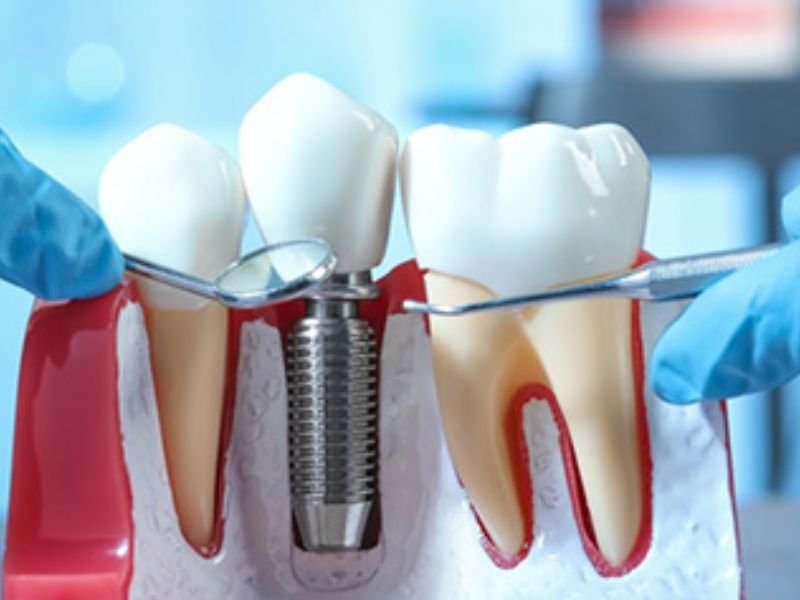
Dental implants are a medical procedure that involves inserting metal posts into the jawbone to fill the voids of missing or broken teeth. These posts are placed beneath the gums, and new artificial teeth are then placed on them. This procedure is not only safe but also provides significant strength and stability to the teeth. Dental implants help enhance your smile, especially when your natural teeth are not in the correct shape or position. Today’s advanced technology has made this procedure easy, safe, and effective.
Dental implants are a procedure that replaces a lost tooth with an artificial tooth. Natural teeth are divided into two parts: the upper part, called the crown, and the lower part, the root, which is embedded in the bone. When a tooth becomes infected or loses its original shape, the root must be removed along with the crown. A dental implant procedure involves implanting an artificial root into the bone to replace the removed tooth. This procedure involves three parts: a metal screw inserted into the bone, a connecting part, and a false tooth placed on top.
Dental implants, meaning tooth replacement, are a common surgical option. Once implants are placed, they can be used as natural teeth for several months of healing. With proper and appropriate care, implants can last a lifetime.
Dental implants are a procedure that replaces missing teeth with artificial ones. The process involves several steps, from the initial consultation to the final implantation of the artificial teeth. This guide prepares you for the time, cost, and care involved in this treatment. Below is a comprehensive overview of the dental implant process. Understanding all aspects before surgery can help you make an informed decision.
The dental implant process begins with an initial consultation. During this stage, the dentist conducts a comprehensive health assessment, including checking your jawbone strength, gum condition, and medical history. This assessment determines whether you are a suitable candidate for dental implants.
The second stage of dental implant placement is a crucial step. Patients receive local anesthesia to minimize pain during the procedure. The dentist then makes an incision in the gums to access the jawbone. The implant is carefully placed into the bone and the artificial tooth is attached. With proper care, implants last for years and have a success rate of over 97%.
After the surgery is complete, the healing phase begins, which is the most crucial stage for the success of dental implants. During this process, a process called osseointegration occurs. During this process, the jawbone gradually fuses with the implant. The bond strengthens the implant and creates a strong base to support the artificial tooth.
The final step in a dental implant procedure is the placement of the abutment and crown. Once osseointegration is complete, a small surgery is performed to attach the abutment to the implant. The crown, or artificial tooth, is then attached to the abutment. This new tooth looks and functions exactly like a real tooth. This completes the entire treatment, leaving the patient with a strong, beautiful, and durable new tooth.
Dental implants require proper care to keep them safe and useful for a long time. Just like cleaning natural teeth, implants also need to be cleaned. Brushing twice a day, flossing, and regular checkups with a dentist are essential. With proper care, dental implants can last for years without any problems.
To keep dental implants healthy and strong for a long time, teeth need to be cleaned. Always use a soft toothbrush and a mild toothpaste. Brush and floss twice daily. Schedule regular checkups with your doctor. By following these simple steps, you can prolong the life of your implants and avoid complications.
Regular dental checkups are essential to maintain the health of your implants and surrounding tissues. This helps detect problems early. To prolong the life of your implants, it’s best to schedule a checkup every six months. This ensures the long-term health of your implants and prevents any complications.
A healthy lifestyle is essential for your teeth and implants. Eating a balanced diet, low in sugar and acidic foods, helps keep your implants and surrounding teeth healthy. Avoid smoking and eating too much sugar. These bad habits can damage your implants. These habits will help keep your teeth strong and healthy.
Dental implants have many benefits, far beyond filling gaps in your smile. The field of implant dentistry has become an alternative to artificial teeth. Some of the benefits of dental implants are discussed below:
The biggest advantage of dental implants is that they resemble other teeth and feel exactly like natural teeth. They can be customized to match the shape and color of natural teeth. Dental implants are firmly embedded in the jawbone, providing a natural feel.
With proper care, dental implants can last a lifetime. They replace missing teeth and complete your smile. Dental implants are designed to stand the test of time. Once you invest, you can enjoy a stable solution.
Dental implants look just like natural teeth, allowing you to chew more effectively. They have the same biting force as regular teeth. You won’t have any difficulty eating your daily diet. Your oral functions will be improved, and your quality of life will improve significantly. Furthermore, there are no restrictions on your eating habits.
The most important benefit of dental implants is that they prevent bone loss. When a tooth is extracted or lost, it can cause the surrounding bone to break. Like real teeth, dental implants are embedded in the jawbone, maintaining the strength of the jawbone as bone grows back, a process called osseointegration.
Caring for dental implants is very simple, much like caring for natural teeth, including brushing and flossing. Adhesives and special cleaning solutions are required, making dental implants a convenient option.
Source:






Read in 4 min

Read in 4 min

Read in 4 min