Read in 4 min
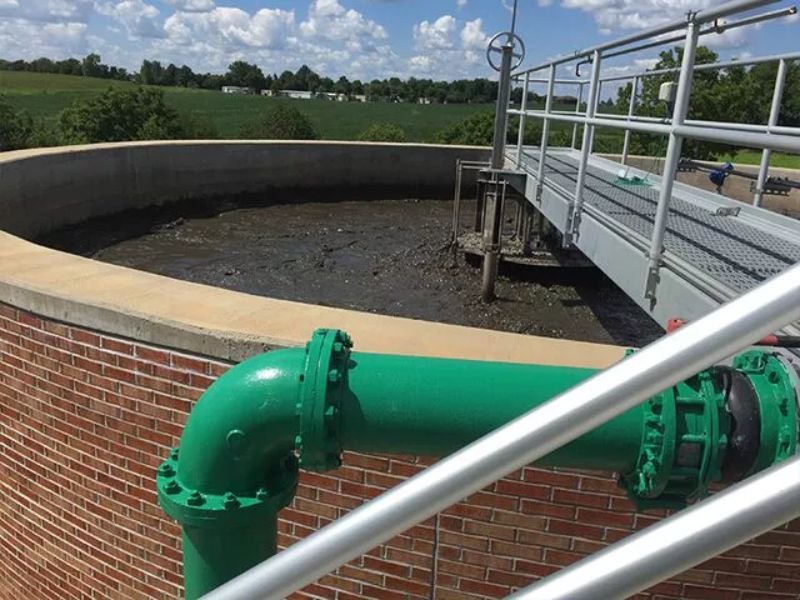
Increasing waste is leading to growing environmental concerns and energy shortages. To address this problem, water treatment plants are transforming wastewater into energy, fertilizer, and other useful resources. In the United States, wastewater treatment plants process over 34 billion gallons of sewage daily. Sludge digester wastewater treatment plants are proving to be a crucial step in converting hazardous waste into valuable resources and protecting public health and the environment. In this guide, This is a brief guide to the sludge digester process and its benefits. For more information, you can start searching online.
Sludge digesters are systems that scientifically clean and reuse raw sludge and sewage sludge from wastewater treatment plants. Biological decomposition occurs through anaerobic or aerobic processes. This process destroys harmful microorganisms. The waste is then treated for safe disposal or beneficial reuse. Primary sludge from settlement tanks contains a concentration of 95-97% water and organic solids. Secondary sludge from biological treatment processes contains microorganisms and additional organic matter.
Effluents from settlement tanks and biological treatment systems, which contain high amounts of water and organic solids, are fed into sludge digesters and processed through controlled and safe biological processes. This entire process not only protects the environment but also recovers valuable resources from waste.
The sludge digestion process is explained in the following steps.
Sludge digestion is the first stage of the process in which complex organic polymers such as lipids, proteins, and carbohydrates are enzymatically broken down into simpler molecular compounds. Acidogenic bacteria convert these intermediate products into alcohols, carbon dioxide, and organic acids. This stage typically lasts 2–3 days. Temperature control is required during acidification. Excessive heat increases acid production beyond the buffering capacity of the system and causes a drop in pH, which forces methane-producing organisms to thrive.
The second stage of the sludge digestion process is the methanogenic process. When the organic matter remaining after acidification is broken down by specialized microorganisms called methanogenic archaea, this process is called methanogenesis. These microorganisms utilize organic acids and alcohols to produce methane gas and carbon dioxide. The correct carbon-to-nitrogen ratio (25:1 to 30:1), proper alkalinity, and the absence of toxic metals or chemicals that could harm the microorganisms are crucial.
Stabilization and pathogen reduction is the final stage of the sludge digestion process. Prolonged high-temperature storage destroys pathogens, leaving the remaining organic matter stabilized. Powered digesters play a crucial role in eliminating up to 99% of pathogenic bacteria, parasites, and viruses. Class A or Class B biosolids are produced for beneficial applications.
Sludge digester wastewater treatment offers numerous benefits, including environmental protection, energy production and cost savings, resource recovery, and regulatory compliance.
Environmental Protection
The biggest advantage of sludge digesters is that they prevent hazardous waste from being processed and prevent groundwater and surface water pollution. Modern digesters also prevent methane from being released into the air, reducing odors and greenhouse gas emissions.
Sludge digesters offer numerous economic benefits, including reduced electricity purchases, reduced gas consumption, revenue from surplus energy, reduced sludge disposal costs, and renewable energy incentives. This advanced technology decomposes organic solids generated in wastewater treatment plants, producing biogas. This biogas contains methane, an effective renewable energy source. A treatment plant with a capacity of 10million gallons per day (MGD) can meet 50-75% of its electricity needs with biogas. Sludge digesters offer economic benefits by reducing energy production and operating costs while protecting the environment.
Biosolids contain valuable nutrients such as digestible phosphorus, potassium, and nitrogen, which are highly beneficial for agricultural applications. High-quality biosolids replace commercial fertilizers, improving soil structure and water-holding capacity. Processed biosolids also reduce fertilizer runoff and related water quality impacts compared to slow-release synthetic alternatives.
Sludge digesters help facilities meet stringent state and federal regulations related to pathogen reduction, vector attraction reduction, and biosolids quality. EPA’s Part 503 regulations set specific requirements, which operating digesters easily meet. This allows facilities to avoid costly fines and maintain operational permits.
Automated control systems powered by artificial intelligence (AI) and machine learning (ML) improve the performance of biogas digesters. These systems automatically make the necessary adjustments to optimize digester operation, increasing gas production and reducing human intervention. These systems can also predict potential process failures and schedule feeds accordingly. Smart sensors continuously monitor critical parameters such as pH, temperature, volatile fatty acids, and biogas quality, enabling timely and accurate decision-making.
New technologies can extract valuable products from biogas digesters, not just gas. For example, struvite is created to recover phosphorus, ammonia is separated to absorb nitrogen, and carbon dioxide can be cleaned and used in industry. These advanced systems transform wastewater treatment into a way to create a useful resource rather than simply dispose of waste.
Combined heat and power systems, such as fuel cells and microturbines, maximize the energy produced from biogas. These systems generate not only electricity but also heat, significantly increasing overall energy efficiency. If the digester generates excess electricity, it can be sold by connecting to the grid, generating additional income. Additionally, this system ensures a stable power supply at the site, maintaining energy security.
Sludge digesters transform environmental harms into valuable opportunities through efficient waste processing, wastewater treatment, resource recovery, and renewable energy production. Modern digester systems deliver remarkable results, including 50-60% volume reduction and biogas production with up to 90% pathogen reduction. Successful implementation requires careful attention to operational parameters and maintenance requirements. Emerging technologies and advanced control systems reduce operational complexity and offer greater benefits. This is a brief guide to the sludge digester process and its benefits. For more information, you can start searching online.
Source:
Sludge Digester Wastewater Treatment





Read in 4 min

Read in 4 min

Read in 4 min