Read in 4 min
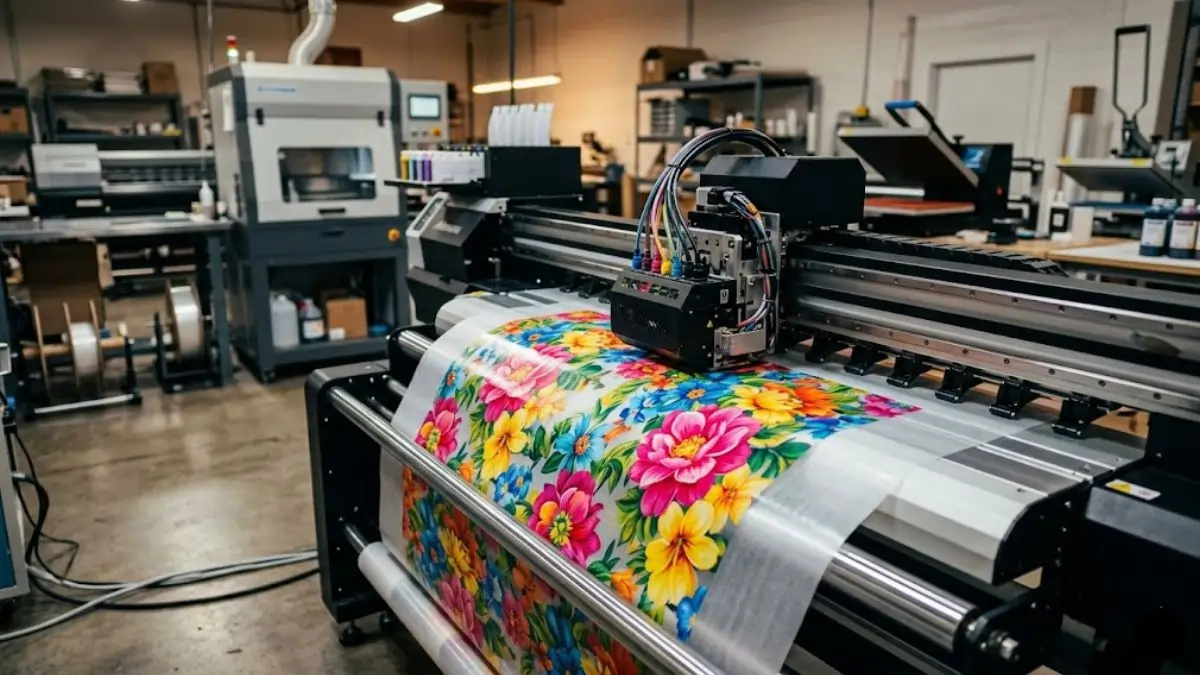
Electrostatic printing is a new printing technique that is rapidly gaining popularity these days. It is used to meet a variety of printing needs. Electrostatic printing is used in many fields such as printing, photocopier machines, label printing, and other businesses. In this process, ink or toner is adhered to the exact spot using static electricity, resulting in clear, sharp, and high-quality prints. If you want to learn more about electrostatic printing, read the full article below.
Electrostatic printing is a process that creates an image by applying toner or ink to a surface (such as paper). In this technique, the ink or toner is applied in the correct position using static electricity. This technique is renowned for its precise and high-quality printing, which is why it is used by many printing companies today. It is also used in laser printers, photocopiers, and some inkjet machines. This technique was developed in 1778 and is used today as the basis for modern technologies such as xerography and laser printing. For more information about this technique, you can search for it online.
Electrostatic charges are used in a variety of applications. Photocopiers and laser printers use them to copy documents. Defibrillators use electrostatic charges when a stopped heart needs to be restarted. Electrostatic precipitators are used to clean factory or plant smoke, absorbing and removing small particles. A similar technique is used in paint spraying. By creating a reverse charge between the spray gun and the object, the paint adheres firmly to the surface, preventing paint wastage. In this way, electrostatic charges serve many useful functions in our lives.
Static electricity is created when electrons are released from one object and transferred to another. This creates an electrical imbalance between the two objects. This typically occurs when two objects, such as fabric or plastic, rub together, and this process is called the triboelectric effect. Static electricity is also used in printing. When we print, electric charges are used to place toner or ink on the paper in the correct place. This results in clear and precise letters and images.
Printers convert computer data into written words and images on paper using static electricity and several components. These include the drum, toner, paper, and a heating roller. The proper coordination of all these components results in a good print. To understand the entire printing process, it’s important to understand their roles and interactions.
Laser printers have a special metal drum. It is positively charged with a corona wire. A laser beam then removes this charge from certain areas of the drum, creating a negative image of the data on the drum. Toner particles are attracted to this negative area and stick to the drum. Finally, this image is transferred to the paper, which the printer heats and solidifies. Static electricity plays a significant role in this entire process.
Laser printers use a fine powder of toner, made up of tiny particles of color and plastic. Static electricity causes the toner to stick to the drum, where the charges are held. In contrast, inkjet printers use liquid ink that is sprayed onto the paper through tiny nozzles. Both printers apply color or toner to precise areas, producing clear, crisp prints.
Printers convert digital data into physical text and images using a combination of static electricity and specialized components. Understanding the role of each part and their interaction is essential to understanding the entire printing process.
Electrostatic printing offers many advantages, including high resolution, low cost, and more. Some of the benefits of this method are as follows:
One of the benefits of electrostatic printing technology is the ability to achieve high resolution. Electrostatic printing has the potential to achieve high resolution compared to liquid toner systems.
Another advantage of creating images through electrostatic printing technology is its versatility. It can be used on many substrates.
The biggest advantage of electrostatic printing is its high image production speed, making printing relatively faster than with laser printers and plotters.
Many printing applications consider the electrostatic printing process, as it is less expensive.
Electrostatic Printing technology is evolving day by day, providing industries with unparalleled accuracy, speed, and versatility. With advancements in fusing techniques, toner materials, and AI processes, EP printing is playing a vital role in digital printing. Electrostatically driven power provides lower costs.
This article provides a brief guide to electrostatic printing technology; you are encouraged to discuss all aspects of it before making any decisions.




Read in 4 min

Read in 4 min

Read in 4 min