Read in 4 min
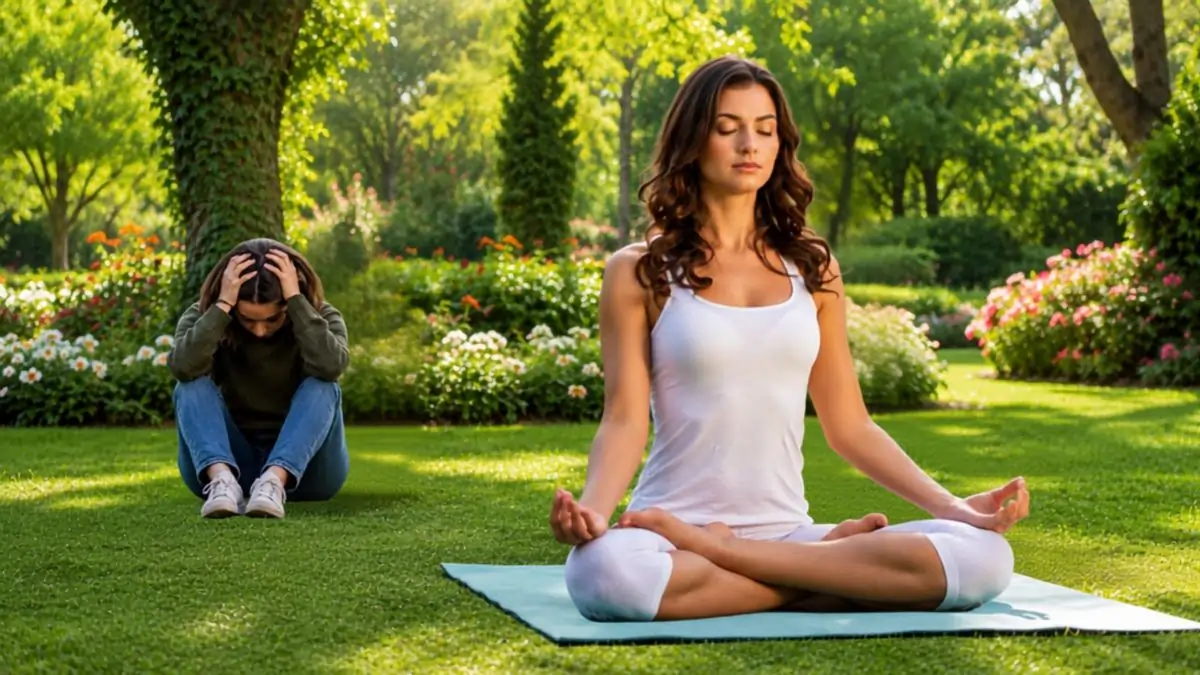
Managing stress is crucial for maintaining physical health and emotional balance. In today’s changing world, keeping the body healthy is the biggest challenge. In today’s fast-paced life, stress has become a part of everyone’s daily routine. Work pressure, concerns about the future, and family responsibilities affect the body. If stress is not managed at the right time, it can have an adverse effect on mental peace and physical health. By changing Stress-Busting Habits, you can find peace, focus, and greater control in life.
You can bring about change in your life by adopting lifestyle practices such as taking mindful breaks, using methods to rejuvenate yourself, and setting healthy boundaries. Adopting the right habits can make daily life smooth, balanced, and happy.
Here are Stress-Busting Habits for Daily Life.
First of all, pay attention to how you start your day and how your entire day unfolds. Establishing a regular morning routine filled with calm and invigorating activities gives you a strong start. Adopting a good morning routine prepares you to face any challenge. It could also include taking a stroll in the park, reading in peace, practicing yoga and meditation, and enjoying your favorite tea or coffee. Starting a simple routine and incorporating various things into it brings you happiness and peace.
A calm and relaxed morning determines your energy for the entire day. Adopting a proper morning routine provides mental peace [PIH Health], helps improve focus [PIH Health], and significantly reduces stress levels in daily life.
Exercise is the most effective way to relieve stress. Physical activity is an excellent way to relieve stress. Exercising causes the body to release hormones called endorphins. Exercising doesn’t mean you have to work out like an Olympic athlete. Daily walking, light physical activity, and exercising at home for a short while all help significantly in reducing stress levels.
It also plays a significant role in improving physical health. Exercise is the most effective, natural, and quick remedy for relieving stress. Physical activity triggers the production of chemicals like endorphins in the brain, which improve mood and create a sense of happiness. By incorporating exercises into your daily routine, you can manage mental stress to a significant extent.
Gratitude is among the most powerful and underrated weapons for combating stress. An easy and effective way to reduce stress is to feel grateful for the good things in your life. When we focus on the things we have, our mind begins to drift away from unnecessary worries. You can take a few minutes every day to write down three things you are grateful for.
This small habit keeps your mind calm, fosters positive thinking, and helps reduce everyday stress. To cultivate a mindset of gratitude, maintain a gratitude journal, express appreciation towards others, and adopt a positive outlook.
Always prioritize sleep. Sleep is not merely a brief respite from everyday life. This helps keep the body calm and the mind refreshed. A lack of sleep can increase stress, which affects everything. Maintain a regular sleep schedule to ensure good sleep. For a good night’s sleep, first change your screen habits and adopt a calm sleeping environment. Prioritizing 7–8 hours of quality sleep is the most powerful form of rejuvenation for reducing stress in daily life. It resets the brain, lowers cortisol (stress hormone) levels, and brings mental clarity by reducing cortisol.
In today’s times, excessive use of mobile phones and screens can also become a major cause of stress and mental fatigue. That is why it is beneficial to stay away from phones, TVs, and laptops for some time every day. During this time, you can spend time with your family, read a book, go for a walk, or do something you enjoy. This small habit soothes the mind, improves sleep, and helps you feel refreshed.
Meditation is a good practice for reducing stress. Life can be improved through meditation. Adopt habits such as taking 10 minutes for deep breathing every morning, incorporating regular mindfulness breaks throughout the day, and staying away from screens for 30 minutes before bedtime.
These are extremely effective for mental peace and emotional balance. Emotional health can be improved through regular meditation. It helps enhance the ability to cope with stress and keeps the mind calm even in highly stressful situations.
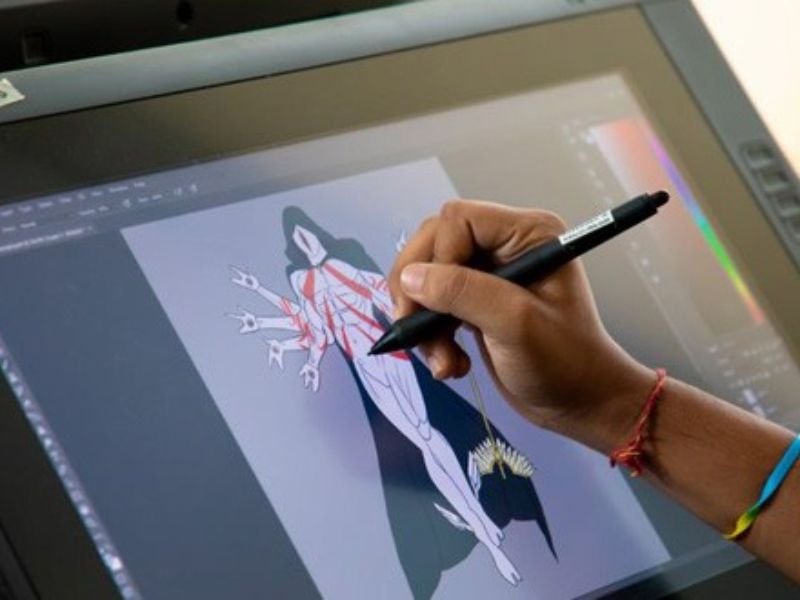
Engaging in creative activities helps significantly in relieving stress. Engaging in creative activities such as writing, painting, playing a musical instrument, or gardening is a natural way to do so. When we engage in any creative activity, we become completely immersed in it, thereby freeing ourselves from everyday worries.
Always keep one thing in mind: say ‘no’ whenever it seems appropriate. Taking on excessive responsibility is one of the most common causes of stress. You can manage stress by recognizing your limits and adhering to them. Always understand that it is okay to say no. It is not appropriate to agree to do something for someone under pressure.
By saying no, you will avoid getting entangled in excessive tasks and be able to focus on the things that are truly right for you. You can significantly reduce your stress by adopting the art of saying ‘no’ and other daily habits. Don’t agree to everything. Understand your capabilities and priorities learn to politely decline excessive social pressure or work burdens.
Develop healthy relationships to improve daily life. They flourish through a sense of camaraderie, connection, and belonging. Strong relationships provide support in preventing stress from escalating. Be it sharing a laugh with someone or pouring your heart out to loved ones.
A companionship that can significantly reduce stress by offering the comfort of presence. Along with this, setting boundaries (learning to say no) and communicating openly as well as actively spending time with loved ones, friends, or family form the foundation of healthy relationships.
It is not always possible to eliminate stress completely, but it can be easily managed by adopting the right habits. Small habits such as a good start to the day, regular exercise, adequate sleep, a digital detox, meditation, and healthy living help improve your mental and physical health. There is no need to adopt all these changes at once.
Incorporate them into your daily routine one by one and maintain them consistently. Over time, these small habits bring about significant changes and help you lead a calmer, more balanced, happier, and stress-free life.



Read in 4 min

Read in 4 min
Read in 4 min