
Read in 4 min
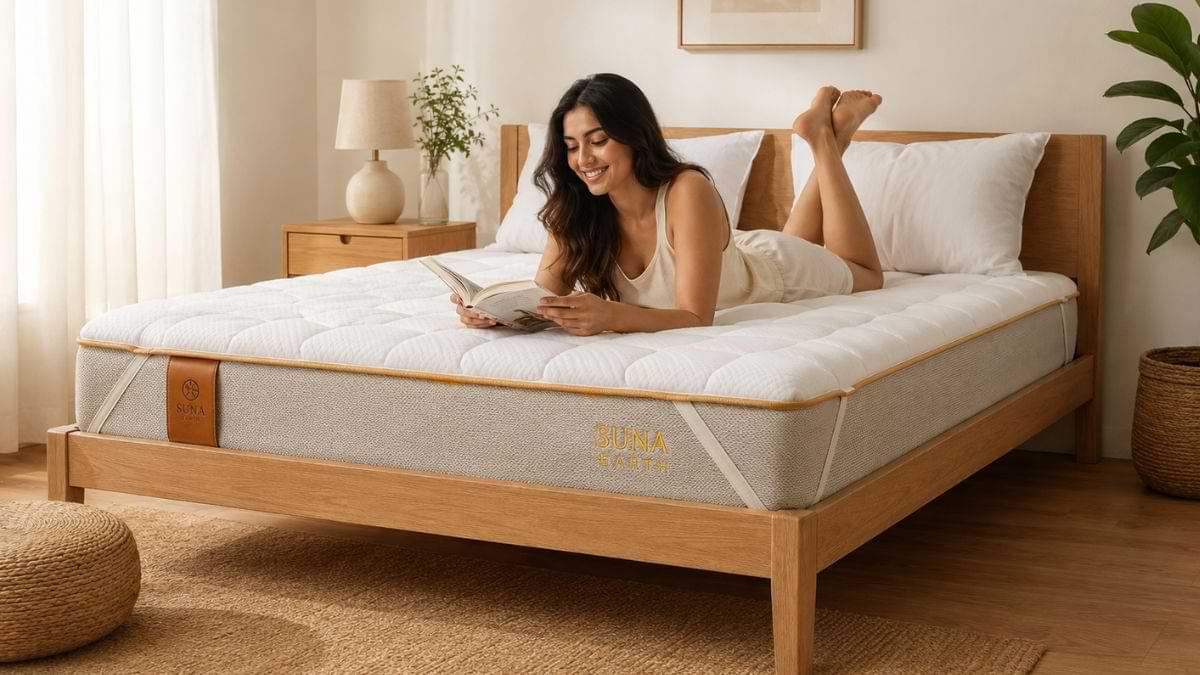
Many people choose the right sleeping mattresses for comfort, health, and overall well-being. Mattresses typically impact your sleep quality, energy levels, and physical comfort. With so variety of options are available on the market, choosing the right sleeping mattress can be daunting. Understanding your personal sleeping needs and features can help you make a smarter decision. Are you trying to buy the best sleeping mattress? Stay connected to this page as it offers the best tips that can help you choose and buy the perfect sleeping mattress.
Here is a breakdown of the most important tips that can help you choose the best sleeping mattress.
When selecting a mattress, preferred sleeping position is one of the most important factors. Many people choose sleeping mattresses based on sleeping positions. Different sleeping positions generally place pressure on different parts of the body. Consider choosing the right mattress that provides you with adequate support while maintaining proper spinal alignment.
Side sleepers often benefit from softer mattresses that cushion the shoulders and hips, reducing pressure points and improving comfort throughout the night, while back sleepers need a medium-firm mattress that supports the natural curve of the spine without allowing excessive sinking. On the other hand, stomach sleepers usually need a firmer surface to prevent the hips from sinking too deeply, which can strain the lower back.
Always choose the mattress that suits your sleeping position. If you are a side sleeper, consider choosing a mattress that suits side sleepers.
When choosing a sleeping mattress, it is another thing to consider. Mattresses are available in different materials and brands, each catering to the unique needs of every person. Consider understanding these materials to get insights on determining which type aligns best with your comfort preferences.
Memory foam, innerspring, hybrid, and latex mattresses are available on the market. Memory foam mattresses contour closely to the body and relieve pressure points, making them popular choices for people who enjoy a softer, body-hugging feel, while innerspring mattresses are made from metal coils that provide support and often provide a more traditional sleeping experience with greater bounce. On the other hand, hybrid mattresses are a great choice for many people because these mattresses combine foam layers with innerspring coils to offer a balance of comfort, support, and airflow, while latex mattresses are known for their responsiveness, durability, and natural feel.
Each type of sleeping mattress has strengths and weaknesses. Your personal preferences play a major role in determining which one feels most comfortable. Choosing a mattress includes determining materials to ensure that they deliver the support, comfort, and sleeping experience you desire.
Firmness is the most subjective aspect of mattress shopping. Most mattresses are rated on a scale ranging from soft to firm, enabling people to choose a comfort level that suits their preferences. Soft mattresses generally provide more cushioning. Side sleepers or lighter individuals choose soft mattresses due to their firmness and comfort level. Medium-firm mattresses are popular choices for many people because they accommodate numerous sleeping positions and body types. On the other hand, firm mattresses offer greater support and may appeal to stomach sleepers or people who prefer a more stable sleeping surface.
Choosing a sleeping mattress also focuses on body weight. Heavier people may sink more deeply into softer mattresses, while lighter people individuals may find firmer mattresses less comfortable. The ideal firmness level should support the spine while minimizing pressure on sensitive areas like hips, shoulders, and lower back.
It is another thing to consider when making an informed decision on sleeping mattresses. Quality mattresses provide comfort and support healthy sleep throughout the night. Proper support helps maintain spinal alignment while reducing the likelihood of waking up with aches and pains. Motion isolation is an important consideration for couples. Mattresses with good motion isolation can help minimize movement transfer, making it less likely that one person’s movements will disturb the other.
Temperature regulation is another feature to consider when choosing a mattress. Some mattresses retain heat, which can be uncomfortable for hot sleepers. Choose a mattress that supports healthy sleep throughout the night, minimizes movement transfer through motion isolation, and provides cooling features to improve temperature control. An ideal mattress includes these features.
When choosing a sleeping mattress, think about durability and long-term value. A mattress is a long-term purchase, so durability plays an important role in making your decision. Higher-quality mattresses maintain their support and comfort longer than lower-quality mattresses. On the other hand, premium mattresses may cost more initially because they often provide better value over time.
Before choosing a mattress, consider paying attention to construction quality, customer reviews, and warranty coverage. Always choose a versatile and durable mattress that can help you ensure long-term satisfaction.
These tips may help you make the best deal on sleeping mattresses!
Choosing a mattress requires evaluating your sleeping position, preferred materials, firmness and comfort level, support features, and long-term durability. The right sleeping mattress can help you improve your sleep quality, reduce discomfort, and contribute to better overall health.
By carefully considering your individual needs, choices, and preferences, you can find a mattress that delivers restful and comfortable sleep for years to come. This is a guide to choosing the best sleeping mattress that suits your needs and preferences; start an online search.






Read in 4 min

Read in 4 min

Read in 4 min