Read in 4 min
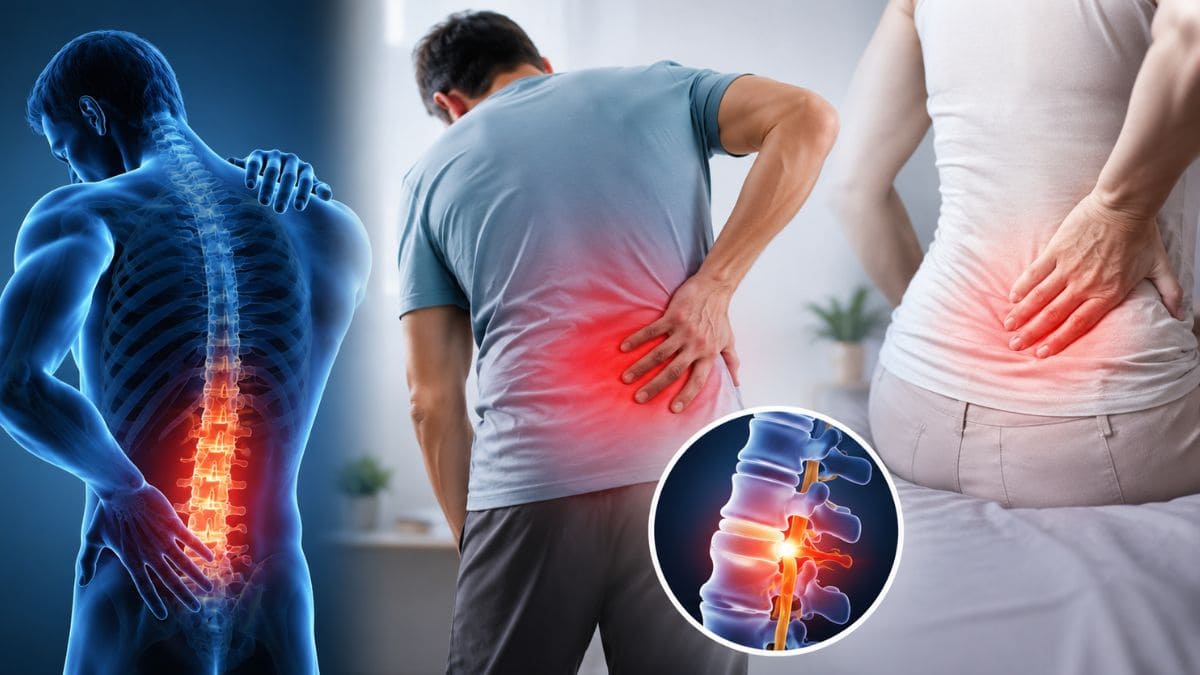
One of the most prevalent health issues affecting people of all ages is lower back pain. It may arise gradually due to aging, poor posture, muscle strain, or underlying medical issues, or it may develop suddenly after lifting something heavy. While many lower back pain instances improve in a few weeks, other people have chronic discomfort that interferes with their everyday activities, employment, and quality of life.
The good news is that lower back pain can be effectively treated with a variety of drugs. The reason, intensity, and duration of the pain determine the best course of action. You can get relief and avoid future issues by being aware of your options.
Lower back pain can result from a variety of conditions. Some of the most common causes include:
Lower back pain can occasionally be associated with infections, kidney issues, or other health issues. Immediate medical assistance is required if the pain is severe, ongoing, or accompanied by fever, numbness, or loss of bladder control.
Many mild cases of lower back pain can be managed at home with simple treatments.
Back pain used to be treated with bed rest frequently. Experts now advise mild movement. Regular daily exercises, gentle stretching, and walking all contribute to better blood circulation and less stiffness.
Unless a medical professional advises otherwise, avoid remaining in bed for longer than a day or two.
In the first 24 to 48 hours following an injury, cold packs can help reduce inflammation. Warm baths or heating pads can then ease tense muscles and enhance circulation.
For many, switching between heat and cold therapy offers more alleviation.
The lower back is more stressed by bad posture. Maintaining good spinal alignment can greatly lessen discomfort whether standing for extended periods of time or working at a desk.
Avoid slouching, keep your feet flat on the ground, and select an ergonomic chair.
Stretching eases tense muscles and increases flexibility. Easy stretches that target the lower back, hamstrings, and hips help reduce pain and increase range of motion.
Exercises should always be done carefully and without making painful movements.
Physical therapy is one of the most effective long-term treatments for lower back pain.
A licensed physical therapist creates an exercise program based on your specific condition. Therapy often includes:
Strong core muscles provide better support for the spine, reducing the risk of recurring pain.
Several non-prescription medications can help manage mild to moderate lower back pain.
Acetaminophen does not lessen inflammation; however, it may aid with discomfort. For those who are unable to use specific anti-inflammatory drugs, it may be a good choice.
NSAIDs are among the most commonly used medications for lower back pain. These medications reduce both pain and inflammation.
Common examples include:
These medications should be used according to label instructions, as long-term use may increase the risk of stomach ulcers, kidney problems, or cardiovascular issues.
When over-the-counter treatments are not enough, doctors may prescribe stronger medications.
Muscle relaxants help reduce muscle spasms that often accompany acute back pain.
Because they may cause drowsiness, these medications are generally recommended for short-term use.
Stronger anti-inflammatory medications may be prescribed when standard doses do not provide adequate relief.
Doctors carefully evaluate each patient’s medical history before recommending long-term NSAID therapy.
When lower back pain involves irritated nerves, certain medications originally developed for epilepsy or depression may help reduce nerve pain.
These medications are commonly prescribed for conditions such as sciatica.
In some cases, oral corticosteroids or corticosteroid injections help reduce severe inflammation around irritated nerves.
Epidural steroid injections may provide temporary relief for people with persistent nerve compression.
Topical treatments offer another option for managing lower back pain.
These products include:
Topical medications can be applied directly to the painful area and often have fewer systemic side effects than oral medications.
Many people find relief through complementary treatments alongside traditional medical care.
Professional massage helps relax tight muscles, improve circulation, and reduce stress-related muscle tension.
Spinal manipulation performed by qualified professionals may improve mobility and reduce pain in certain patients with mechanical lower back pain.
Acupuncture involves placing thin needles into specific points on the body. Some individuals experience meaningful pain relief after several treatment sessions.
Gentle yoga combines stretching, strengthening, and breathing exercises. Regular practice may improve flexibility, posture, and core strength while reducing stress.
Long-term relief often requires healthy lifestyle habits.
Excess body weight increases pressure on the spine. Losing even a small amount of weight can reduce stress on the lower back.
Regular physical activity strengthens muscles that support the spine.
Activities such as walking, swimming, cycling, and strength training help improve overall spinal health.
Always bend your knees instead of your waist when lifting heavy objects.
Keep the load close to your body and avoid twisting while lifting.
A mattress that provides proper spinal support may reduce morning back stiffness.
Sleeping on your side with a pillow between your knees may also help maintain spinal alignment.
If conservative treatments fail, doctors may recommend additional procedures.
These injections reduce inflammation around compressed nerves and may provide several weeks or months of pain relief.
This minimally invasive procedure uses heat to interrupt pain signals from specific nerves.
It may benefit patients with chronic facet joint pain.
Small electrical devices can help block pain signals before they reach the brain.
This treatment is generally reserved for chronic pain that has not responded to other therapies.
Surgery is usually considered only after other treatments have failed or when serious structural problems are present.
Common surgical procedures include:
Surgery may be recommended for severe nerve compression, spinal instability, or progressive neurological symptoms.
Recovery depends on the procedure performed and the patient’s overall health.
Seek medical evaluation if you experience:
Early diagnosis can prevent complications and improve treatment outcomes.
No single therapy is effective for all patients. The optimal strategy frequently incorporates several techniques, such as physical therapy, exercise, healthy lifestyle modifications, and the right drugs.
Conservative therapy for acute pain typically results in a noticeable improvement in a matter of weeks. A more thorough treatment plan created in collaboration with medical specialists may be necessary for chronic pain.
Although lower back pain is a common ailment, it need not take over your life. There are many choices for treating pain and regaining movement, ranging from advanced medical treatments and drugs to home cures and physical therapy. Long-term back health requires frequent exercise, proper posture, staying active, and consulting a doctor when necessary. Most people can successfully manage lower back pain and resume their regular daily activities while lowering the chance of recurrent episodes with the correct combination of treatments.
This is a guide to lower back pain relief treatments and medications. It is advised to consult a doctor before making a decision. Try an online search to learn more about lower back pain relief treatments and medications.




Read in 4 min
Read in 4 min

Read in 4 min