
Read in 4 min
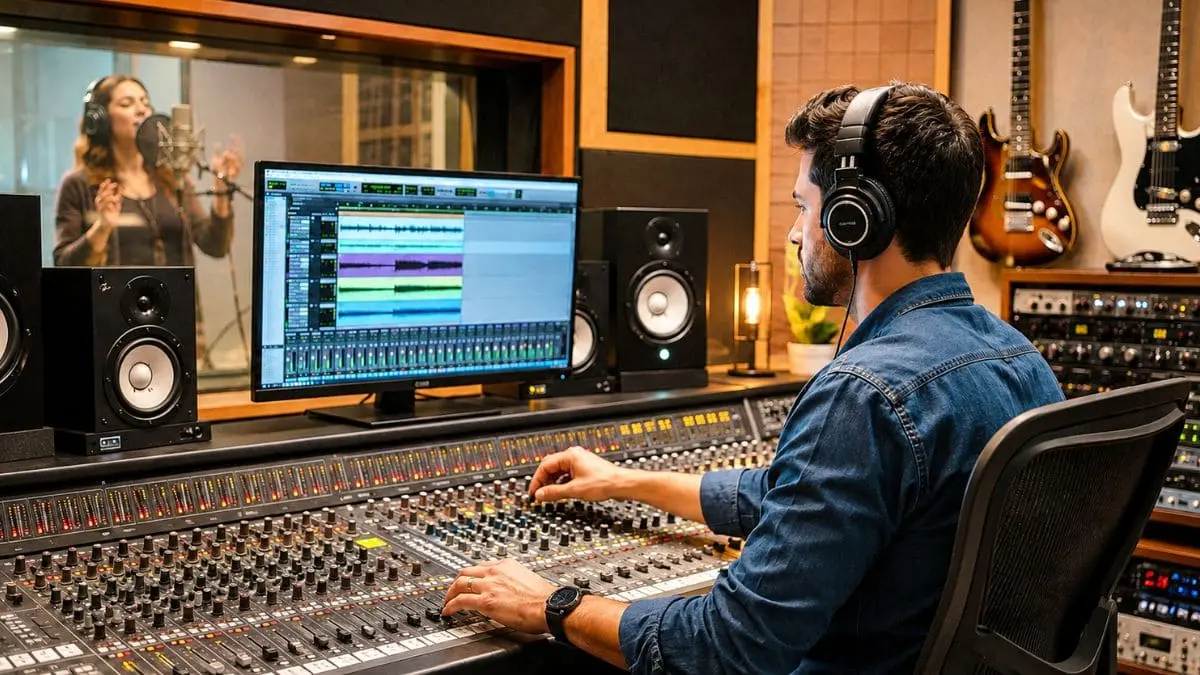
Audio engineering is an exciting and rewarding career for individuals who are passionate about music, sound, and technology. From recording chart-topping songs to producing podcasts, films, live concerts, and video games, audio engineers play a vital role in delivering high-quality sound experiences. As the entertainment, media, and digital content industries continue to expand, the demand for skilled audio professionals is growing worldwide.
Whether you dream of working in a professional recording studio, producing music for artists, managing sound at live events, or designing audio for films and games, building a successful career requires the right combination of education, technical skills, creativity, and practical experience.
Our guide shares expert tips to help you start and grow your career in audio engineering.
Audio engineering is the art and science of recording, editing, mixing, and reproducing sound. Audio engineers use specialized equipment and software to ensure that music, dialogue, and sound effects are captured and delivered with exceptional clarity and quality.
Unlike music producers, who focus on the artistic direction of a project, audio engineers concentrate on the technical aspects of sound production.
Common responsibilities include recording vocals and instruments, mixing and mastering audio tracks, operating sound equipment, editing digital recordings, setting up microphones, managing live sound systems, troubleshooting audio issues, and collaborating with artists and producers.
Audio engineering offers a unique blend of creativity and technology. Professionals in this field work on a wide variety of projects across multiple industries.
Some of the biggest advantages include a creative and dynamic work environment, opportunities in music, film, television, gaming, and broadcasting, growing demand for podcast and streaming production, freelance and full-time career options, continuous learning with evolving technology, and opportunities to work with talented artists and creators.
For individuals who love music and sound, audio engineering can be both personally fulfilling and professionally rewarding.
A successful audio engineer must first understand the fundamentals of sound. Key concepts include sound waves, frequency, amplitude, equalization (EQ), compression, reverb, delay, stereo imaging, signal flow, and acoustics. Learning these principles provides the foundation for making informed technical decisions during recording and mixing.
Modern audio production relies heavily on Digital Audio Workstations (DAWs). Becoming proficient in professional software is essential. Popular DAWs include Pro Tools, Logic Pro, Ableton Live, Cubase, FL Studio, Reaper, and Studio One. In addition to DAWs, familiarize yourself with plugins for EQ, compression, noise reduction, and mastering to expand your production capabilities.
Practical experience is one of the most valuable assets in audio engineering. Theory alone is not enough. You can build experience by recording local musicians, producing podcasts, volunteering at live events, assisting in recording studios, working on student film projects, and creating your own music productions. The more projects you complete, the more confident and skilled you become.
You don’t need an expensive commercial studio to get started, but investing in reliable equipment can improve your learning experience. Basic home studio essentials include an audio interface, Studio headphones, Studio monitors, a condenser microphone, a dynamic microphone, a pop filter, Acoustic treatment, a MIDI keyboard (optional), and a computer with sufficient processing power. As your skills grow, you can gradually upgrade your equipment.
A strong portfolio demonstrates your abilities to potential employers and clients. Include examples such as Music recordings, mixed and mastered tracks, podcast production, film audio, live sound recordings, voice-over projects Sound design work. Host your portfolio on a professional website or online platform so it is easy to share with prospective clients and employers.
Mixing and mastering are among the most important skills for an audio engineer. Mixing involves balancing individual tracks by adjusting volume levels, equalization, compression, panning, and effects automation.
Mastering is the final stage of production, ensuring that the finished audio sounds polished and consistent across different playback systems. Developing expertise in these areas can significantly increase your career opportunities.
Many audio engineers work in live event production. Live sound engineers manage audio for concerts, conferences, theatrical performances, sporting events, festivals, and religious gatherings. Live production requires quick decision-making, technical knowledge, and the ability to solve problems under pressure.
Audio technology evolves rapidly. Successful professionals continually improve their skills. Keep learning about Immersive audio formats, Dolby Atmos production, AI-powered audio tools, remote collaboration platforms, advanced mixing techniques, new recording equipment, and streaming audio standards. Continuous learning helps you remain competitive in the industry.
Audio engineering is highly collaborative. You’ll often work with musicians, producers, directors, and clients. Strong communication skills help you understand creative goals, receive constructive feedback, explain technical concepts clearly, solve problems efficiently, and build long-term professional relationships. Excellent client communication often leads to repeat business and referrals.
Networking can open doors to new projects and career opportunities.
Consider attending music industry events, joining professional organizations, participating in workshops, connecting with professionals on networking platforms, collaborating with local artists, and joining online audio engineering communities. Building relationships is often just as important as developing technical skills.
A career in audio engineering offers an exciting combination of creativity, technology, and continuous learning. Whether your goal is to produce music, engineer live concerts, create immersive sound for films, or launch a successful freelance business, the key to success lies in developing strong technical skills, gaining practical experience, and building a professional network. By mastering industry-standard software, investing in quality equipment, creating an impressive portfolio, and staying current with emerging audio technologies, you can position yourself for long-term success. With dedication, persistence, and a passion for great sound, you can build your dream career in the dynamic world of audio engineering.
This is a guide to expert tips to start a career in audio engineering. Try an online search to learn more.




Read in 4 min

Read in 4 min

Read in 4 min