Read in 4 min

In today’s fast-paced world, utilizing recruitment software has become a popular way for businesses to optimize talent acquisition. This is because the process of finding and hiring the right talent has become complex for organizations. Many businesses are seeking innovative solutions to streamline their hiring workflows, improve candidate experience, and make more informed decisions, increasing the demand for recruitment software.
This article presents information about recruitment software, highlighting understanding it, its key components and types, key benefits, popular options, and tips for selecting the right one.
To make an informed decision on recruitment software, it is essential to understand it. Here is the important information about recruitment software.
Recruitment software is a computerized tool designed to manage, organize, automate, and optimize an organization’s entire hiring process. It also manages many tasks, such as candidate sourcing, job advertisement, resume screening, offer management, and interview scheduling. Many businesses utilize recruitment software solutions to improve communication, reduce manual administrative tasks, and ensure a consistent, efficient experience for both hiring teams and candidates. Read below to learn more about recruitment software.
Recruitment software platforms have become a popular and reliable source for modern talent acquisition due to their innovative key components and types. Below are key components and their types.
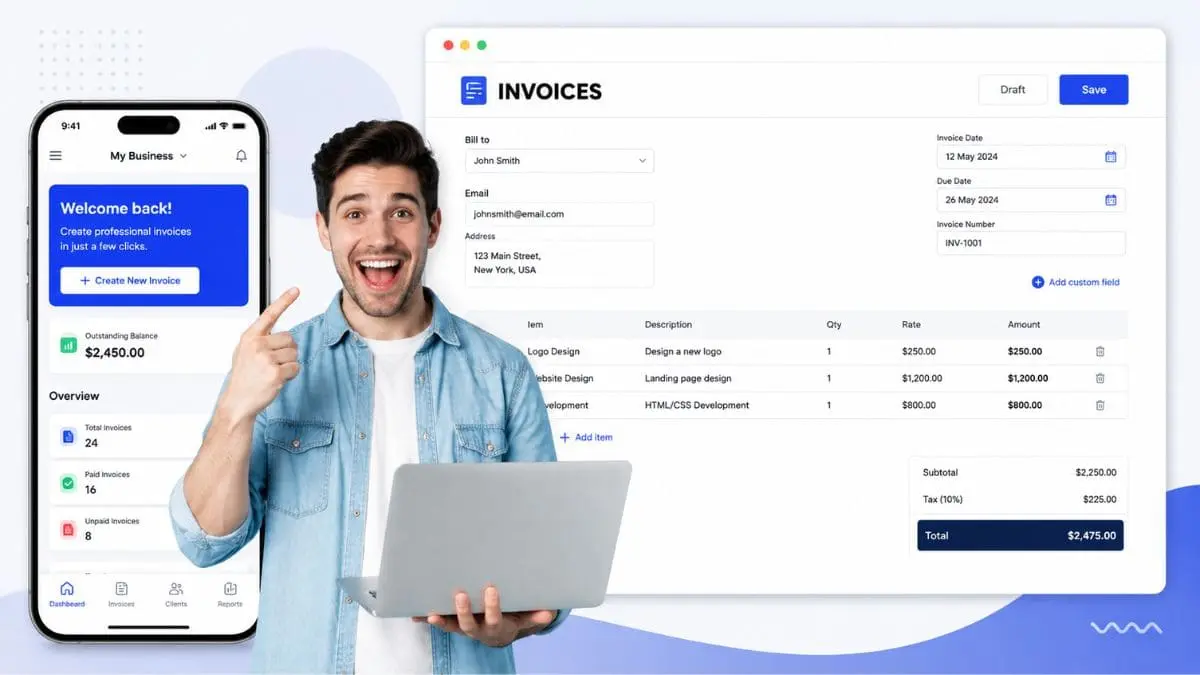
ATS is a common type of recruitment software. It is typically designed to assist businesses in automating and managing the complex recruitment lifecycle, including application submission, making interviews, and final hiring decisions.
CRM software builds and maintains long-term relationships with potential candidates who may be suitable for future positions. It also assists companies in creating talent pools, maintaining a structured database of trained professionals, and engaging passive candidates through personalized communication to support proactive hiring strategies.
Many AI-based recruitment platforms screen resumes, rank candidates, and facilitate initial interactions through chatbots, enhancing an organization’s efficiency. Also, they have automation tools, which handle numerous tasks, such as scheduling interviews, sending follow-up emails, and generating reports, reducing manual errors and empowering HR professionals to focus on more decision-making.
Onboarding software also helps recruiters manage the transition of new hires. This software focuses on streamlining integration into businesses, improving the early experience of the employees, and often integrating with HR tools for seamlessly hiring-to-employment workflow.
Recruitment software tools offer organizations many advantages, including:
Modern solutions typically automate repetitive and time-consuming tasks, including screening resumes and posting jobs across different platforms, reducing manual errors, administrative workloads, shortening time-to-hire, and empowering recruiters to focus on more strategic decisions.
Recruitment tools allow recruiters and hiring managers to access candidate profiles, feedback, and interview updates. This enhances communication, eliminates the need for email threads and spreadsheets, and supports more aligned hiring decisions through real-time collaboration.
Recruitment solutions also offer a streamlined and professional application process, which assists recruiters in retaining top talent throughout the hiring journey. They offer features like automated acknowledgements, timely status updates, and simple online applications, enhancing communication and keeping candidates engaged and informed.
Many recruitment solution providers offer detailed analytics on metrics such as cost-per-hire, time-to-fill, and source effectiveness. These insights assist companies in identifying inefficiencies, optimizing recruitment strategies, and making data-driven decisions.
There are many recruitment software solutions, each catering to the unique needs of businesses. Here are the leading options offering application tracking systems.
Greenhouse is a popular applicant tracking software designed to structure hiring, collaboration, and enhance the candidate experience. It offers recruiters interview kits, scorecards, and advanced reporting tools that support data-driven hiring decisions, making it a great choice for many organizations.
Workday is a cloud-based applicant tracking software that specializes in financial management and human capital management solutions. It offers a wide range of key features, including real-time reporting and analytics, a unified HR platform (HCM), AI-powered talent management, and employee & manager self-service. Its advanced applicant tracking system functionality and global compliance support make it ideal for large businesses.
It is another applicant tracking software that offers a comprehensive suite of human experience management solutions. This software offers job distribution, extensive applicant management, analytics, and deep integration within SAP’s broader HR ecosystem, supporting large organizations with global operations.
Lever is a notable platform that combines applicant tracking systems and candidate relationship management. It enables organizations to manage active candidates while nurturing long-term relationships with passive talent. It is also the best applicant tracking system among fast-growing and innovation-driven businesses.
The right tips can help you choose the right recruitment software. Check out below to know about some tips for choosing the perfect recruitment tool.
Start by assessing your business’s Specific Needs.
Look at Key Features and Functionalities
Check Scalability for Future Growth
Consider Evaluating Integrations
Consider User-Friendly Interfaces
Recruitment software often encompasses Candidate Relationship Management (CRM) tools and Applicant Tracking Systems (ATS), manages, organizes, automates, and optimizes the hiring process from sourcing to onboarding. It streamlines candidate screening, scheduling, and collaboration to boost efficiency, empowering recruiters to hire faster and more effectively. Job board posting, AI-powered resume parsing, and analytics are popular key features of recruitment software.
They offer organizations numerous advantages, including collaboration among hiring teams, efficiency & time savings, candidate experience, and more. To learn more about recruitment software, make a search today.






Read in 4 min

Read in 4 min

Read in 4 min